Robotics Solution
We Provide the best Robotics services
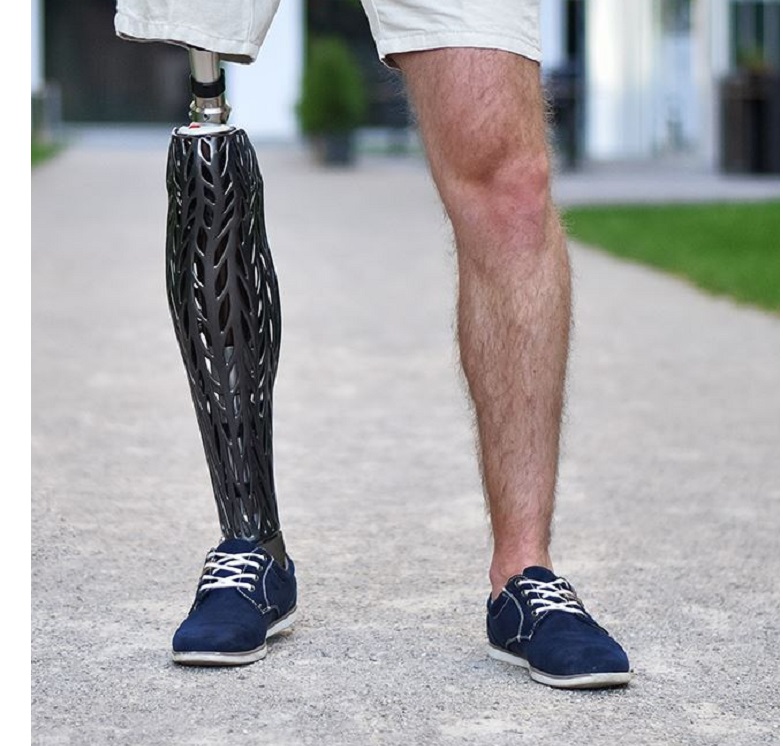
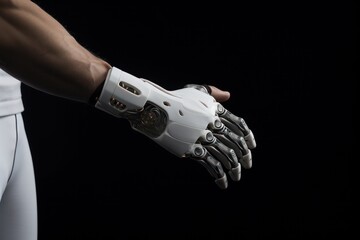
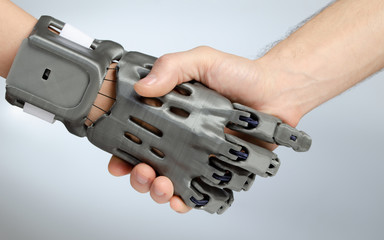
Robotic arms and legs, often referred to as prosthetic limbs or bionic limbs, are advanced technological devices designed to replace or augment missing or impaired human limbs. These artificial limbs utilize a combination of mechanical engineering, materials science, electronics, and control systems to replicate the functions of natural limbs.
Artificial robotic arms and legs have brought about remarkable advancements in the field of assistive technology. Whether due to congenital limb loss, amputation, injury, or disability, these prosthetic limbs are transforming the lives of individuals by providing them with improved mobility and functionality.
Types of Artificial Robotic Limbs:
Prosthetic Arms and Hands
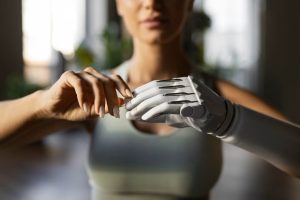
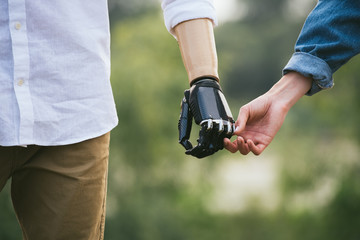
These are designed to replace upper limbs and hands. Advanced prosthetic arms can replicate complex movements, such as grasping objects with different shapes and sizes.
While prosthetic arms and hands cannot fully replace a natural limb, they can support users in many different and valuable ways. The right device can help restore someone’s independence and mobility, help them master everyday tasks, get back to their job, or simply help them look and feel normal.
Prosthetic Legs and Feet
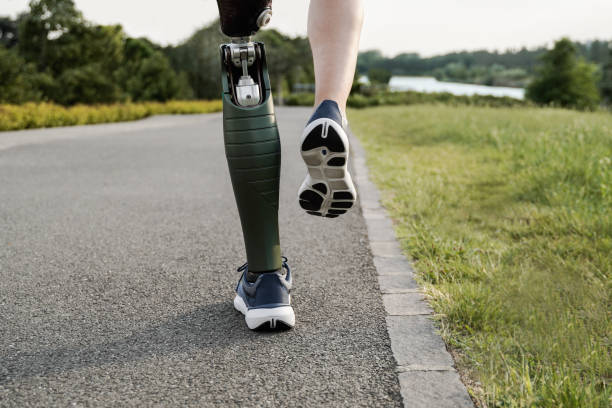
These are used to replace lower limbs and feet, helping individuals walk, run, and maintain balance. Some models are designed for specific activities like running or swimming.
Your prosthetist might recommend adjusting your current equipment or replacing one of the components. Or you might get a prescription for a new prosthetic leg, which happens on average every three to five years. If you receive new components, it’s important to take the time to understand how they work. Physical therapy can help adjust to the new components or your new prosthetic leg.
Bionic Limbs
Bionic limbs are a category of artificial limbs that incorporate advanced technologies, such as myoelectric control, brain-computer interfaces (BCIs), and haptic feedback, to provide users with more natural and intuitive control.
Hybrid Limbs
These prosthetic limbs blend mechanical components with biological tissue, such as myoelectric-controlled prosthetic arms that attach directly to the user’s nerves.
When a person tries to move, the brain sends a signal to the muscle to command the movement. At that time, a very faint signal that reflects the wearer’s intention to move appears on the skin’s surface. Using its sensors attached to the skin’s surface, HAL detects these so-called “bio-electrical signals” to perform the desired movements with the wearer’s voluntary commands
Drones :
Revolutionizing Aerial Technology
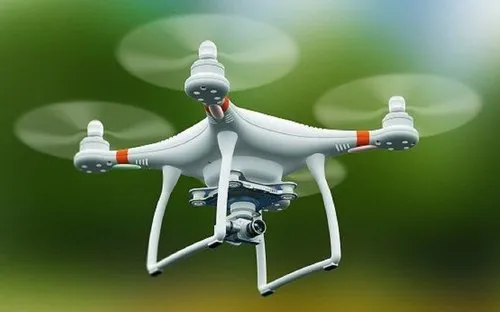
Drones, also known as Unmanned Aerial Vehicles (UAVs) or Unmanned Aircraft Systems (UAS), have become a transformative technology in recent years. These versatile flying machines have found applications in various industries and are increasingly popular for recreational use.
Drones are aircraft operated without a human pilot on board. They can be remotely controlled by operators on the ground or flown autonomously using onboard computers. Drones come in a wide range of sizes and capabilities, from small consumer quadcopters to large, sophisticated military UAVs. Their compact design and advanced technology have opened up numerous possibilities for industries and individuals.

At the heart of Sapling Enterprise lies a culture of collaboration, integrity, and innovation
Contact Info
Flat No GA, Ground Floor, Atlas Apartment, Road No 10, Banjarahills, Hyderabad – 500034.
Mail us now
info@saplingedu.in
Call us now:
+91 9949999443